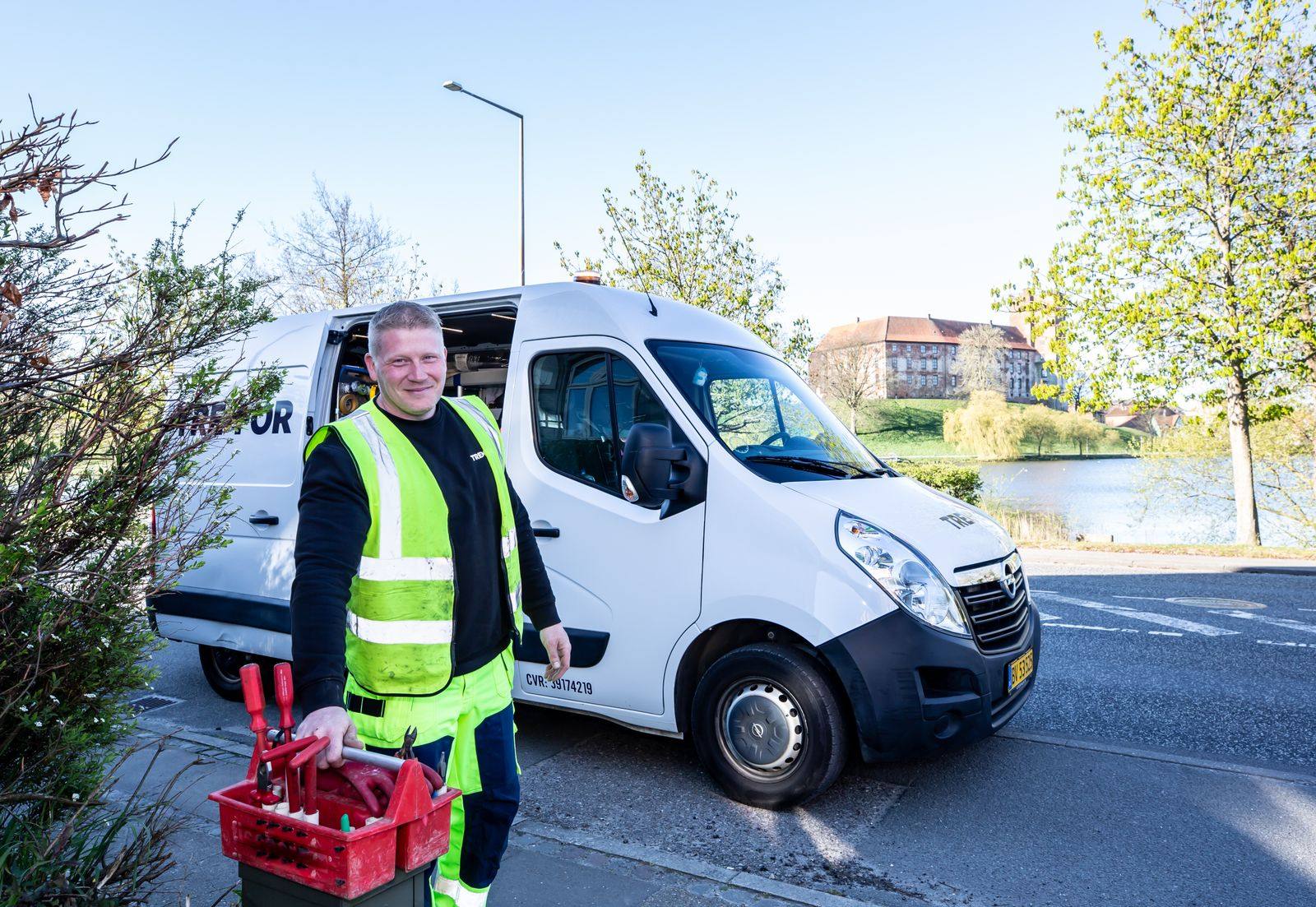
Hot Water Service Near Livermore
If you live in Livermore and your hot water isn't keeping up, Pleasanton Water Heater is one phone call away. We repair, replace, and install gas, electric, tankless, and heat pump water heaters, and our reputation was built on straight answers and clean work. Our technicians work throughout the area every day, so we're familiar with the water quality, housing styles, and tight closets and garage installs that shape how water heaters in this part of the region perform and fail.
Small repairs and big installs in Livermore get the same care: thermostats, heating elements, gas valves, and relief valves on one end, new tanks and tankless conversions on the other. You get a clear, written quote before anything is touched, and the number doesn't change. We keep on the truck the parts that fail most, including elements, thermostats, thermocouples, igniters, drain valves, and T&P valves, so the majority of repairs are finished in one trip.
If something seems off with your water heater in Livermore, don't wait for it to fail completely. Call (925) 222-4903 and we'll get a technician out with the parts to fix it, usually within a day.
Water Heater Repair and Installation Across Livermore
Whether you own a condo, a rental property, or a commercial space in town, we have the know-how and equipment to handle the full range of hot water work. Our technicians have spent years working on gas and electric tank heaters, tankless units, and hybrid heat pump models throughout the area, and we pay close attention to the water quality, housing stock, and code requirements that shape how water heaters hold up here.
A normal week for our residential team might include thermocouple and element replacements, gas valve repairs, anode rod replacements, leaking valve repairs, and at least one full tank replacement or tankless conversion. When we do replace equipment, we size it using first-hour rating or gallons per minute rather than matching the old unit. Right-sized equipment keeps showers hot, keeps utility bills reasonable, and avoids the short cycles and lukewarm showers that come with an undersized unit. Beyond repairs and replacements, we recommend annual maintenance that flushes sediment, checks the anode rod, tests the relief valve, and confirms safe venting, the best single step for longer equipment life.
For commercial property owners and managers nearby, we service the high-capacity tanks, multi-unit tankless systems, and hot water circulators that restaurants, gyms, offices, and apartment buildings depend on. Our commercial team understands that a restaurant without hot water can't keep its dish line running and a building full of cold showers means a flood of tenant calls, so we prioritize fast diagnosis, carry common parts on the truck, and schedule work around your operating hours whenever we can.
When Your Water Heater Fails in Livermore
If your hot water quits, how quickly help shows up matters more than anything else. That's why we keep our schedule flexible across the area and put a real person on the phone. Urgent calls typically see a technician within a day, and we treat leaks and no-hot-water calls as top priority.
These are the problems that come up most when hot water fails at home: water pooling under the tank, a relief valve spitting hot water, a pilot that goes out every few hours, a breaker that trips when the elements kick on, a tankless unit flashing an error code, or rusty water from the hot side only. Most of them come down to parts we already carry, like thermocouples, elements, thermostats, and valves, or to a tank that has reached the end of its life. You get the price before any work starts, with no surprises on the invoice.
Two common situations call for quick action from you before a technician arrives. The first is a leak: shut the cold water valve above the tank and turn off the breaker or gas control, which keeps the tank from refilling and heating. The second is a relief valve that discharges or a tank that bangs and rumbles loudly: both point to excess temperature or pressure, so turn the heater off and keep away from the discharge pipe. If you smell gas at any point, leave the house and call your gas utility before anything else. Once everyone is safe, call us at (925) 222-4903. That small step can save you from a far bigger repair.
How Livermore Homeowners Can Extend Water Heater Life
The best way to avoid a surprise leak is routine maintenance. We recommend that homeowners flush the tank once a year (more often with hard water), have the anode rod checked every three to five years, test the relief valve once a year to make sure it isn't stuck, and keep the thermostat around 120 degrees, which reduces the risk of scalding and slows mineral buildup. Tankless owners should plan on descaling once a year in hard-water areas.
The age of your heater plays a big role. With regular maintenance, a standard tank usually runs 8 to 12 years, a heat pump water heater 10 to 15, and a tankless unit up to 20. Once a heater passes that range and starts showing warning signs, like rust-colored water, rumbling, or moisture under the tank, it's time to plan a replacement. Replacing on your own schedule costs less and causes far less stress than scrambling for a new heater with water spreading across the floor.
If warning signs do show up, acting quickly keeps them small. A dripping relief valve might point to excess pressure or thermal expansion with nowhere to go, both modest fixes. The same drip ignored for months can keep stressing the tank until a seam gives way, and a small repair becomes a full replacement plus water damage. It's smart to keep our number saved on your phone so you can reach us at the first sign of trouble. Early intervention saves time, money, and cold showers.
Hot Water Headaches Livermore Homeowners Face
The majority of water heater problems we see in Livermore come back to the water itself. Depending on the neighborhood and the water source, hard water may be part of the picture: dissolved minerals settle to the bottom of a tank as sediment, forcing the burner or lower element to work harder, and that's what causes the rumbling and popping many homeowners hear when the heater fires. Tankless units aren't immune either: scale builds inside the heat exchanger, and that's why annual descaling matters so much in hard-water areas.
We also see a lot of aging equipment. A standard tank water heater typically lasts 8 to 12 years, and near the end of that window the anode rod has often been used up, leaving the tank exposed to corrosion. The area has a mix of fuel types, gas tanks in some houses and electric tanks in others, so our technicians handle everything from failed thermocouples and draft problems to tripped high-limit switches and dead elements.
Setup matters too. A home on a private well can see more sediment and sometimes a sulfur smell in the hot water, which a different anode rod often cures. A tankless heater on hard water should get annual descaling. And an older install being replaced often needs updates it never had: an expansion tank, a properly routed relief valve line, a drain pan, or strapping where required. All of these is fixable, and most are much cheaper when caught early. If your water heater is doing anything unusual, a diagnostic visit from our team catches the small problem before it becomes an expensive one. Call (925) 222-4903 and we'll take a look.
Your Go-To Hot Water Team
We know this area well, including the water conditions and housing stock that affect how long a tank lasts. From sediment-choked tanks to tankless units flashing error codes, our technicians are equipped to handle it all.
Dealing With a Leaking Tank?
Reach us now and get a technician headed to your property today.
Call (925) 222-4903 TodayHow We Can Help
From single-family homes to commercial kitchens, our team covers every hot water need in the area, including:
Get a Straight Answer Today
Pick up the phone and let our technicians take care of the problem for good.
Call (925) 222-4903 NowWhy Livermore Homeowners Trust Us
What Livermore homeowners get with Pleasanton Water Heater is simple: speed when it's urgent and care when it counts. We answer quickly, arrive prepared, and fix causes rather than symptoms, checking the water pressure, sediment, and venting problems that killed the failed part in the first place. The price is set before work starts, and it stays put. Whether it's a same-day leak repair or a planned tankless upgrade, the job is done right on the first visit.
Your Water Heater Questions Answered
Also Serving Nearby Communities
Live just outside this area? We likely serve your neighborhood too.